
Learn the key differences between processed and natural honey in India. Discover nutrition, benefits, and how to choose quality honey for daily use.
Honey has been a part of Indian households for centuries, valued for its natural sweetness and traditional health uses. However, in today’s market, not all honey available is the same. One of the most common questions consumers ask is the difference between processed honey and natural honey , and which option is better for daily use.
Understanding this difference is important not only for health reasons but also to make informed buying decisions. This guide explains how honey is processed, what natural honey really means, and what Indian consumers should look for while choosing honey.
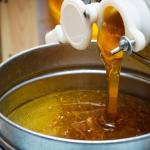
Natural honey is collected by bees from flower nectar and extracted from honeycombs using minimal mechanical processes. It retains most of its naturally occurring components such as enzymes, antioxidants, and trace minerals.
Natural honey may still go through basic steps like:
These steps are done to make honey safe and suitable for storage while preserving its natural qualities.
It is important to understand that processing does not automatically mean honey is unsafe , but the level and method of processing play a crucial role in quality.
Processed honey undergoes additional treatments that may include:
The goal of processing is often to improve shelf life, clarity, and appearance. However, excessive processing can reduce some of honey’s natural enzymes and antioxidants.
It is important to understand that processing does not automatically mean honey is unsafe , but the level and method of processing play a crucial role in quality.
Natural honey retains more:
Processed honey may have reduced enzyme activity due to high heat exposure.
Natural honey reflects its floral source, such as eucalyptus, sunflower, or mixed blossoms.
Processed honey usually has a uniform taste, regardless of nectar origin.
Processed honey is often:
Natural honey may:
Crystallization is a natural process , not a sign of impurity.
Processed honey generally has a longer shelf life due to moisture control and filtration.
Natural honey, when properly stored, also remains safe for long periods but may change texture naturally.
Fact: Crystallization is a natural characteristic of pure honey.
Fact: Dark honey often contains higher antioxidant levels.
Fact: Mild processing for safety and storage is acceptable when done responsibly.
Raw honey is a type of natural honey that is minimally filtered and not heated. However, raw honey is not always suitable for every consumer due to:
Natural honey that is gently processed offers a balance between safety and nutrition, especially for regular household use.
When buying honey, Indian consumers should focus on quality indicators , not marketing claims.
Quality honey supports health gradually, not instantly.
In Indian households, honey is commonly used:
For such daily use, consistency and purity matter more than extremes like ultra-raw or heavily processed honey.
For most people:
Processed honey may be acceptable occasionally but should not replace naturally sourced honey for regular intake.
Final Thoughts
Understanding the difference between processed and natural honey empowers consumers to make better choices. Honey should be viewed as a nutritional food , not just a sweetener.
Choosing honey that respects natural processes, transparency, and quality standards helps maintain its traditional value in Indian diets. The best honey is not defined by appearance or marketing, but by how responsibly it is sourced and handled .

 Seo Organicfreshindia
Dec 18, 2024
 Seo Organicfreshindia
Dec 18, 2024
 Anjali Dhiman
Jan 19, 2026
 Seo Organicfreshindia
Sep 01, 2025
 Anjali Dhiman
Dec 15, 2025