
Seasonal allergies can turn a beautiful day into a struggle. Your eyes itch, your nose refuses to cooperate, and every breath feels like work. Many people look for simple, natural solutions that actually help. Honey often tops that list. But can honey really ease seasonal allergies, or is it just a comforting belief passed down through generations?
Seasonal allergies can turn a beautiful day into a struggle. Your eyes itch, your nose refuses to cooperate, and every breath feels like work. Many people look for simple, natural solutions that actually help. Honey often tops that list. But can honey really ease seasonal allergies, or is it just a comforting belief passed down through generations?
Let’s understand the full picture with clear reasoning and relatable examples.
Seasonal allergies happen when your immune system reacts to something harmless as if it is dangerous. Most people who experience these allergies react to pollen. Trees, grass, and flowers release pollen to reproduce. These tiny grains travel through the air, and when you inhale them, your body may mistake them for harmful invaders.
Your immune system responds by releasing histamines. Those histamines are what trigger sneezing, watery eyes, congestion, and fatigue. It’s not the pollen itself that makes you miserable. It’s the reaction your body creates.
Imagine standing in your living room while a small amount of dust enters your eye. Your eye does not simply stay still; it turns red, tears up, and tries to remove the dust. Seasonal allergies work the same way, except the reaction happens every day during allergy season.
Honey has long been used as a natural remedy whether for coughs, sore throats, wounds, or general immunity. It’s sweet, soothing, and rich in antioxidants. Many people claim that regular consumption of honey helps them feel better during allergy season.
The idea comes from a simple theory:
If honey contains traces of pollen, consuming it regularly might help your body get used to those allergens. This process is similar to allergy shots, where small doses of allergens are introduced slowly so your body can learn not to overreact.
But does this happen with honey?
Let’s break it down.
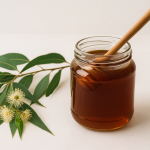
Bees pick nectar from flowers and carry pollen back to their hives. As a result, natural raw honey contains tiny particles of pollen. When you consume this honey daily, you expose your immune system to these small amounts.
This exposure may help your body adjust. Over time, your immune system may become less reactive, reducing the intensity of allergy symptoms. This is not a quick fix. It takes consistency. Think of it like teaching your immune system a new habit.
Even if honey doesn’t eliminate allergies completely, it can still offer relief.
Honey coats the throat and reduces inflammation. If you have a persistent cough, honey helps calm it. If your throat is irritated because of postnasal drip, honey creates a natural soothing layer.
Allergies often cause cellular stress in the body. Raw honey contains natural antioxidants that support your immune system and reduce inflammation. This may help you handle seasonal triggers better.
Not all honey can help. Commercial honey is often heated, filtered, and processed to look clear and flow easily. This processing removes pollen and other natural elements that give honey its true benefits.
Raw honey keeps its natural pollen, enzymes, and antioxidants intact.
Imagine buying a fruit that is peeled, sweetened, and stored for months before you eat it. It won’t offer the same value as a fresh fruit. The same logic applies to honey.
If you want to support your body during allergy season, choose raw, unprocessed honey from trusted sources like Loudfood’s pure and natural honey. It contains natural pollen traces and is free from additives, fillers, or artificial sweeteners.
Riya, a 28-year-old graphic designer from Pune, used to deal with severe seasonal allergies every February. Her mornings began with sneezing fits. She tried anti-allergy tablets, but they made her feel drowsy and unfocused.
On her doctor’s suggestion, she switched to natural remedies. She started taking one spoon of raw honey every morning on an empty stomach. After three weeks, she still had allergies, but her symptoms were noticeably lighter. She could breathe more easily, she sneezed less, and the irritation in her throat reduced.
Honey didn’t cure her allergies overnight. But with consistent use, it made the season manageable.
This is how honey works, not as a magic quick solution, but as a supportive, gradual one.
No single remedy works the same way for all people. Honey may help someone significantly while giving only mild support to another. The benefits depend on:
your immune response
the type of pollen you are allergic to
the quality of honey you use
consistency of consumption
If you expect honey to cure allergies instantly, it won’t. But if you use honey daily and combine it with healthy habits, it may ease your seasonal discomfort.
How to Use Honey for Allergy Relief
Here are simple ways to include honey in your routine:
Take one teaspoon of raw honey on an empty stomach. This allows your body to absorb its nutrients better.
Warm (not hot) water helps your body digest honey smoothly. It also reduces throat irritation.
Ginger, tulsi, and honey make a strong combination for soothing your respiratory system.
A pinch of crushed pepper with honey helps reduce congestion.
This adds antioxidants to your diet and makes your drink naturally sweet.
Important Note
Honey is not safe for babies under one year of age . Their digestive system is not mature enough to handle natural spores present in honey.
When to Choose Honey Over Other Remedies
Honey is most useful when:
your symptoms are mild to moderate
you prefer natural remedies
you want long-term support instead of instant relief
you want to strengthen your immune system naturally
If your allergies are severe or affect your breathing, consult a doctor. Honey helps, but it’s not a replacement for medical care.
Loudfood delivers pure, unfiltered, raw honey across India. This honey retains its natural pollen, enzymes, fragrance, and density. You receive honey straight from ethical beekeepers—nothing added, nothing removed.
Pure honey gives your body the chance to build natural resistance to seasonal irritants. Many customers have shared that using Loud Food Honey daily has helped them manage their seasonal allergies better.
Honey may not cure allergies permanently, but it can help your body respond better to seasonal triggers. It offers soothing relief, strengthens immunity, and introduces trace amounts of pollen that may help reduce sensitivity over time. When you choose pure, unprocessed honey and use it daily, you give your body natural support throughout the season.
If you’re ready to try a natural approach, Loud Food’s raw honey is available for free delivery across India. It’s simple, wholesome, and made to support your health through every season.
Honey may reduce symptoms and build tolerance, but it does not permanently cure allergies.
You may notice mild improvement in 2–4 weeks with daily use.
Yes. It helps your body absorb its nutrients better.
No. Processed honey loses pollen and natural enzymes. Raw honey works best.
No. High heat destroys honey’s nutrients. Use warm water instead.
Yes, but only if they are above one year old .
One to two teaspoons per day are enough for most people.
Yes, local honey often contains pollen from your region, which may help your immune system adapt.
Yes. It may soothe your throat, but it will not stop the attack instantly.
Most people tolerate it well. Avoid it only if you have a pollen-related food allergy or are under one year old.
Suggested Read: https://organicfreshindia.com/blog/why-raw-honey-is-the-health-conscious-consumers-best-friend-in-2025

 Seo Organicfreshindia
Dec 18, 2024
 Seo Organicfreshindia
Dec 18, 2024

 Anjali Dhiman
Jan 19, 2026
 Seo Organicfreshindia
Sep 01, 2025
 Anjali Dhiman
Dec 15, 2025